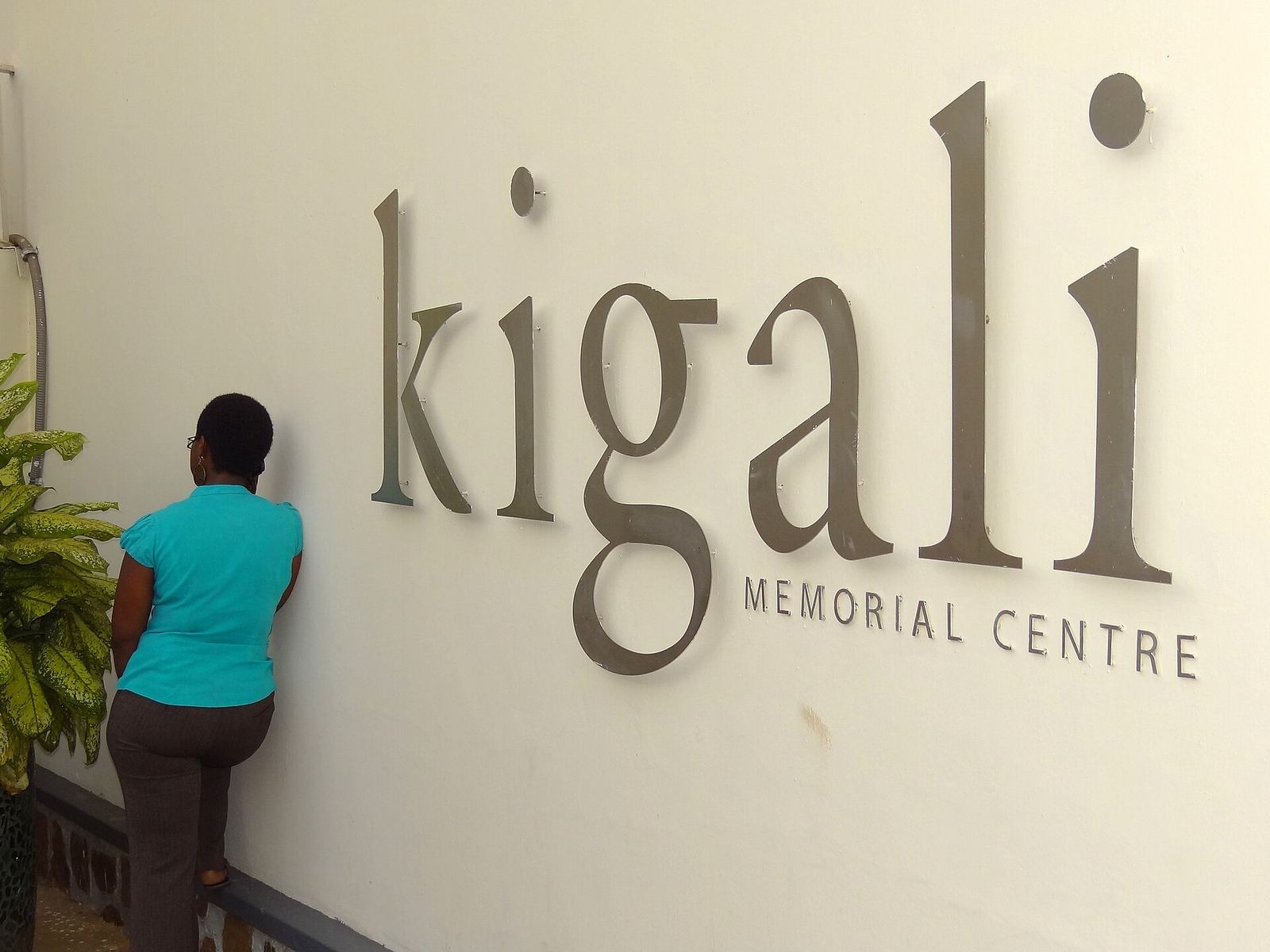
The Kigali Genocide Memorial in Gisozi is the final resting place of more than 250,000 victims of the 1994 Genocide against the Tutsi. It is a place of remembrance and learning, and the most important visit you can make to understand Rwanda’s history and how far the country has come.
What you will see
The memorial stands on one of the hills of Kigali, surrounded by peaceful gardens. Inside, the exhibitions tell the story of the genocide in clear, careful steps:
- Life in Rwanda before colonial rule
- How colonial policies divided Rwandans by identity
- The propaganda and planning that led to 1994
- The 100 days of the genocide, told through photographs, film and survivors’ testimony
- The stories of people who risked their lives to save others
- Reconciliation, justice and rebuilding after 1994
The children’s room, with photographs and short descriptions of young victims, is especially moving. Outside, the mass graves are covered by concrete slabs, and the gardens offer a quiet space to reflect.
Visiting respectfully
- Allow at least two hours, and take your time.
- Dress modestly and speak quietly.
- Follow the guidance on photography inside the exhibitions.
- The visit is emotionally difficult. Take breaks in the gardens if you need to.
Understanding the history
In 1994, over about 100 days, more than a million people were killed in the Genocide against the Tutsi. The memorial in Gisozi was opened in 2004, on the tenth anniversary, as a place of burial, remembrance and education. It helps visitors understand how hatred was built up over decades, how the genocide was carried out, and how Rwanda has worked towards justice and reconciliation since.
Kwibuka: the period of remembrance
Every year from 7 April, Rwanda marks Kwibuka, meaning “to remember”. The first week is a national period of mourning, with commemoration events across the country. If you are visiting at this time, expect a quieter, reflective atmosphere, and be especially respectful at memorials.
Other memorials you can visit by car
- Nyamata and Ntarama: two church memorials about an hour south of Kigali.
- Murambi: in southern Rwanda, near Huye.
- Bisesero and Kibuye: in Karongi District on Lake Kivu.
After your visit
Many people need some quiet time after the memorial. Plan a calm afternoon, perhaps a walk in Kigali or a coffee in a garden café, rather than a long drive straight afterwards.
Supporting the memorial
Check the current entry arrangements before you visit. Donations support the memorial’s work in education and caring for survivors. The memorial shop sells books that explain the history in depth.
Preparing children and teenagers
If you are visiting with older children or teenagers, talk to them beforehand about what they will see. Some rooms contain photographs and remains that are very distressing. Parents often skip certain rooms with younger visitors, and staff can advise.
The memorial’s education work
Beyond remembrance, the memorial works to educate visitors and young Rwandans about the causes of genocide and how to prevent it. Its displays also cover other genocides in the twentieth century, placing Rwanda’s history in a wider context.
Combining the memorial with a day in Kigali
Many travellers visit the memorial in the morning and spend the afternoon somewhere calm, such as an art gallery or a garden café, before a lighter evening. Read top places to visit in Kigali for ideas.
Kigali Genocide Memorial: practical information
- Location: Gisozi, Kigali, with parking on site.
- Time needed: at least two hours.
- Audio guides: available in several languages.
- Facilities: a café and a shop with books on Rwanda’s history.
Kigali Genocide Memorial: reading and learning
To understand more, many visitors read survivors’ accounts and histories of the genocide before or after their visit. The memorial shop stocks a range of books. Learning about Rwanda’s journey since 1994, including reconciliation and community courts known as gacaca, helps make sense of the country you see today.
Visiting with a driver
Some travellers prefer not to drive after an emotional visit. Booking a car with a driver for the day lets you focus on the experience, then continue to a quieter part of the city or back to your hotel. Your driver can also suggest calm places for lunch nearby. Read car hire with a driver.
Kigali Genocide Memorial: photography
Photography rules differ between the gardens and the exhibition rooms. Follow the signs and staff guidance, and always be respectful of other visitors who may be grieving.
Frequently asked questions
How long should I spend at the memorial?
At least two hours. Many visitors stay longer and spend time in the gardens afterwards.
Is the memorial suitable for children?
The content is very difficult. Parents should judge for themselves; older children often find it an important learning experience.
Are there other memorials in Rwanda?
Yes. There are memorials across the country, including at Nyamata and Ntarama south of Kigali, and in Kibuye.
Getting to the Kigali Genocide Memorial
The memorial is in Gisozi, about 20 minutes by car from central Kigali and around 8 km from our office on Airport Road. There is parking on site. Many travellers visit on their first day in Rwanda, before driving north to Volcanoes National Park.
Any car in our fleet is fine for the city, and you can also book a car with a driver for the day. See our 2-day Kigali with a driver trip, or explore the top places to visit in Kigali.