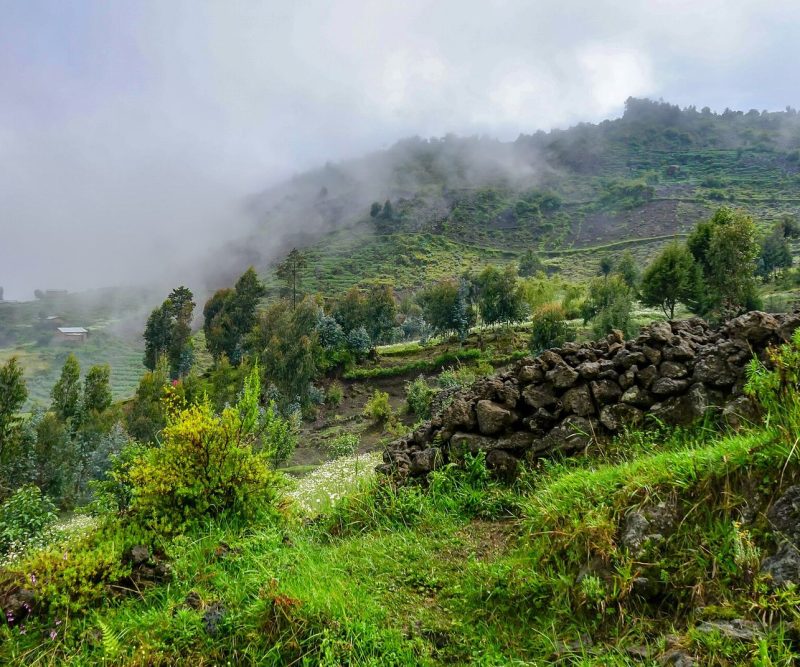
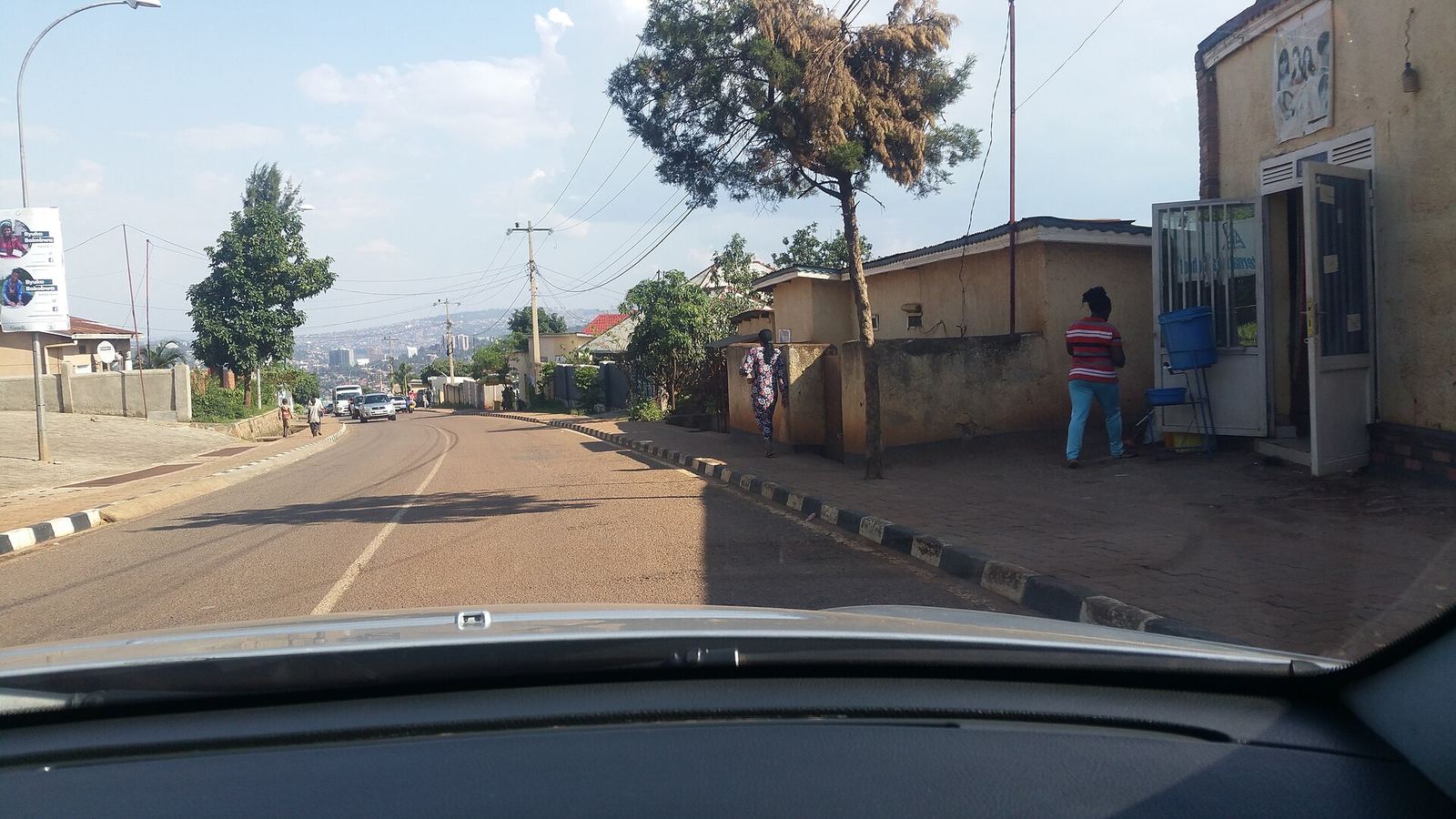
Driving in Rwanda is a pleasure for most visitors. The country is small, the main roads are paved and well maintained, and the views of terraced hills, volcanoes and lakes are spectacular. This guide explains what the roads are like and how to plan your days behind the wheel.
What driving in Rwanda is like
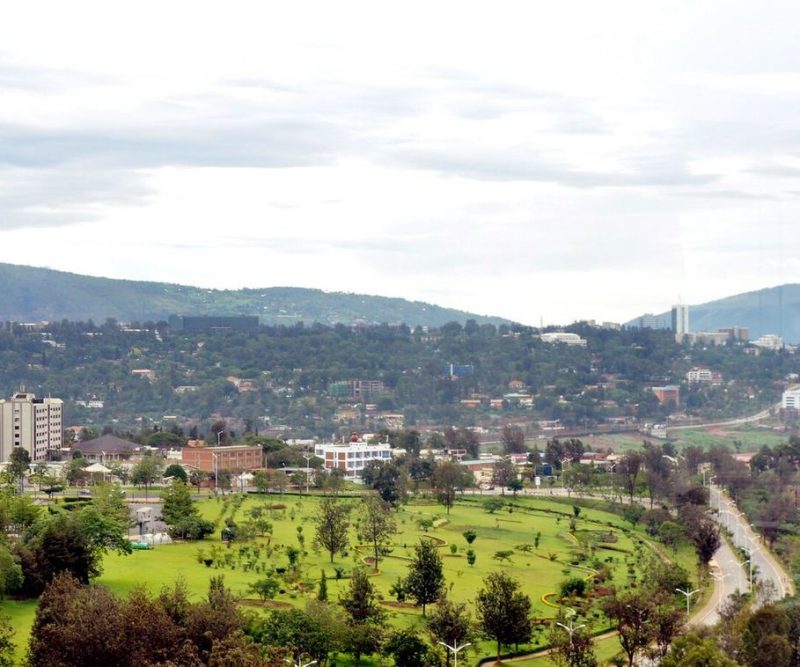
- Paved main roads link Kigali with every major town and park gate.
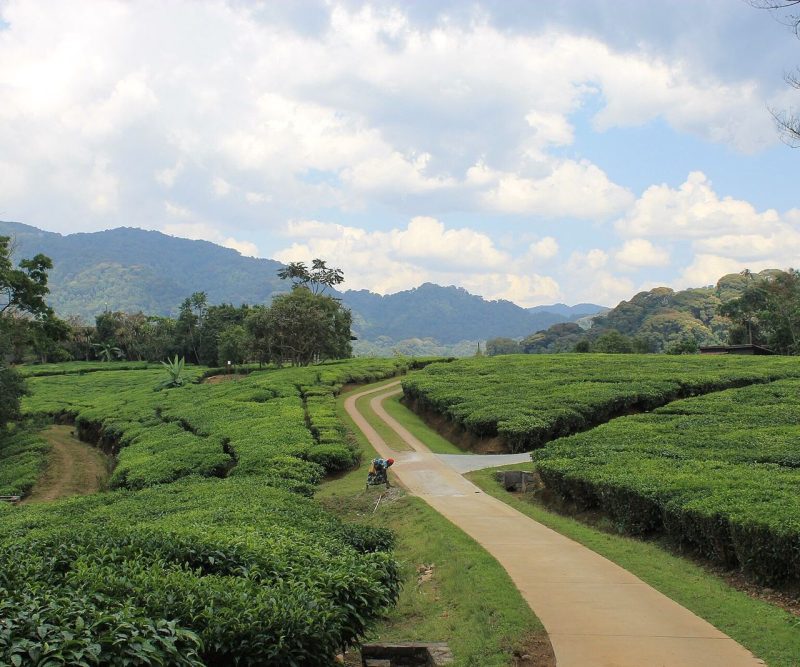
- Hills and bends: roads wind through the hills, so average speeds are lower than the distances suggest.
- Calm traffic: outside Kigali, traffic is light, but expect cyclists, pedestrians and motorbikes near villages.
- Strict rules: speed cameras and police checks are common. Read our safety and driving tips for the rules.
The main routes from Kigali
- North to Musanze and Volcanoes National Park: about 2.5 hours on a winding mountain road.
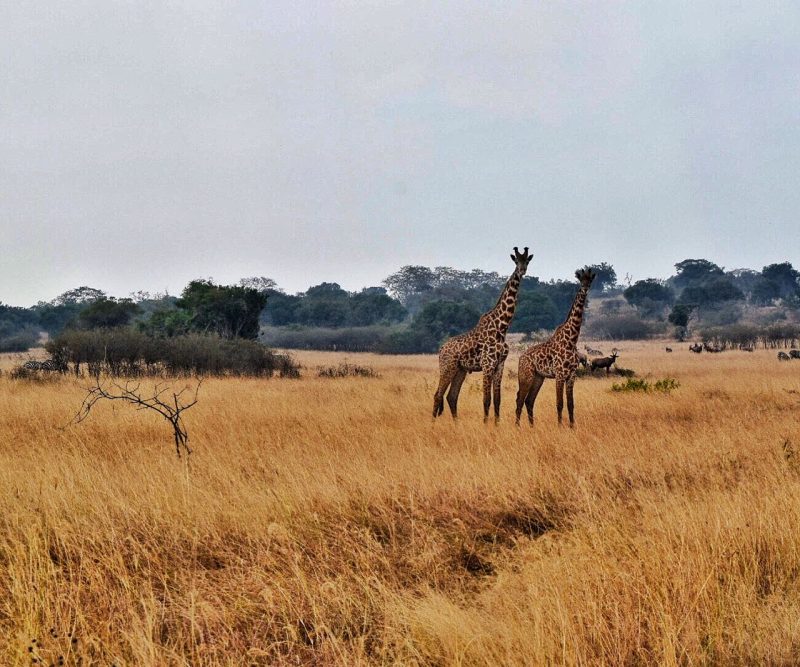
- East to Akagera National Park: about 2.5 hours via Kayonza.
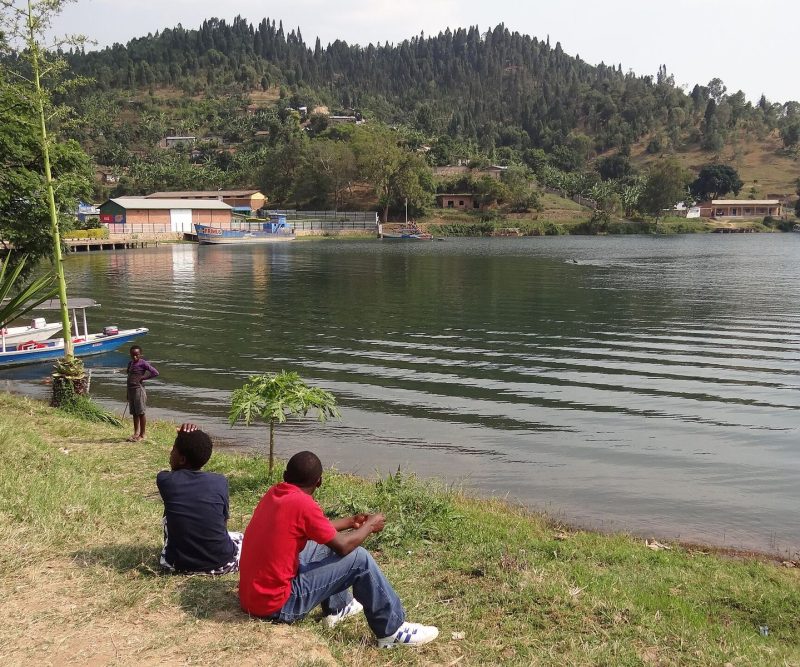
- West to Lake Kivu: about 2.5 to 3.5 hours to Kibuye or Rubavu.
- South to Huye and Nyungwe: about 5 to 6 hours to the forest.
See all driving times and distances.
Park roads and the rainy season
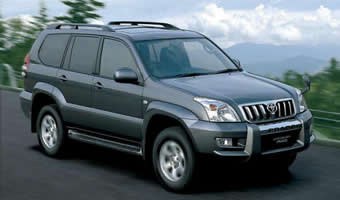
Roads inside the national parks and to some trailheads are gravel or dirt. In the rainy months they can be muddy and slippery, which is when a 4×4 like the Land Cruiser Prado really earns its keep. Drive slowly, keep to marked tracks and ask park staff about conditions.
Fuel
Fuel stations are found in Kigali and all the main towns, but there are few in rural areas and none inside the parks. Fill up before heading into Akagera or Nyungwe. Most stations accept cash; carry some Rwandan francs in case card machines are down.
Police checkpoints
Police checks are routine. Slow down, stop when asked, and show your licence, passport and the car’s documents. Stay polite and call us if anything is unclear.
Night driving
Avoid driving outside towns after dark. Roads are unlit and pedestrians, cyclists and animals use them at night. Plan your days to arrive before sunset, which is around 6:00 pm all year.
Umuganda
On the last Saturday morning of every month, traffic is restricted for community work. Read Umuganda: what drivers need to know.
Driving in Rwanda: speed limits and cameras
Speed limits are low and enforced by cameras and police checks. As a guide, expect around 40 km/h in towns and villages and 60 km/h on open roads, but always follow the signs. Fines are issued automatically. Driving slowly is also the best way to enjoy the views.
Sharing the road
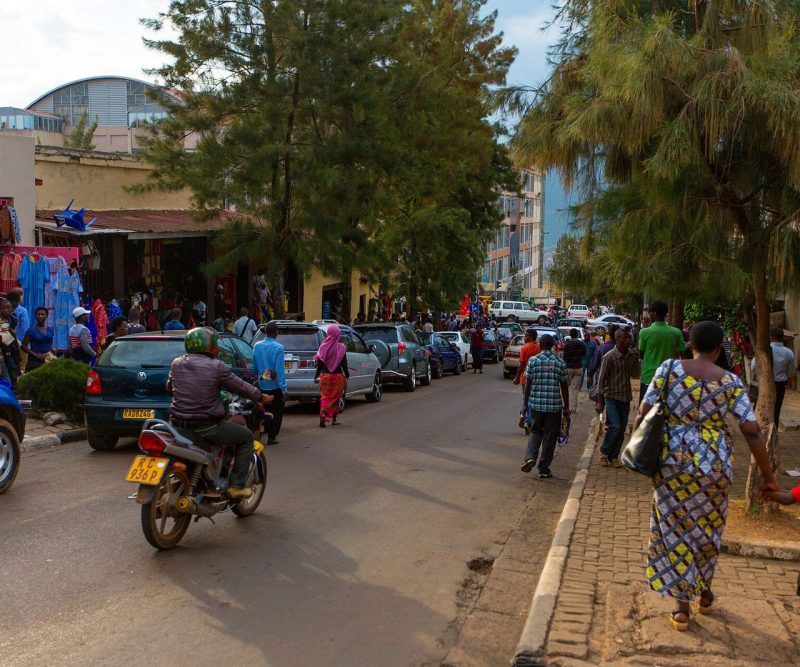
- Motorbike taxis (motos) are everywhere in towns. Check mirrors before turning and give them space.
- Cyclists often carry heavy loads uphill and may wobble; pass them slowly and widely.
- Pedestrians walk along the roadside in every village, including children on the way to school.
- Livestock such as goats and cattle may be on or near the road in rural areas.
- Minibuses stop suddenly to pick up and drop off passengers.
Parking
Parking is easy at hotels, shopping centres and most sights. In Kigali some streets have paid parking managed by attendants. Never leave valuables visible in a parked car, and use hotel car parks overnight.
Roadworks and road conditions
Rwanda invests heavily in its roads, so you may meet roadworks with temporary diversions. Follow flag-holders and signs and allow extra time. After heavy rain, watch for mud washed onto the road on mountain bends.
Driving in the rainy season
- Slow down on wet tarmac and on bends.
- Avoid gravel roads straight after heavy rain if you can.
- Use a 4×4 for park roads and trailheads.
- Allow at least an extra hour on longer drives.
Navigation
Every self-drive car comes with free GPS, and mobile data works well on most main roads. Download offline maps as a backup for park areas. Road signs are generally clear, and the main routes are easy to follow.
Driving in Rwanda: hiring the right car
For most routes in the dry season, a RAV4 is enough. For gorilla trailheads, park roads and the rainy season, choose a 4×4 like the Land Cruiser Prado. Read which car to hire in Rwanda.
What to keep in the car
- Your licence, passport and the car’s documents
- Water and snacks
- A phone charger
- Our 24-hour assistance number
- Some cash in Rwandan francs
Driving in Rwanda with a driver instead
If you’d rather not drive, any car can come with an experienced driver-guide. Many travellers drive themselves around Kigali and Lake Kivu, then add a driver for the long trips to the parks. See car hire with a driver.
Driving in Rwanda: fines and penalties
Traffic laws are strictly enforced. Speeding, not wearing a seat belt and using a phone while driving can all result in fines. Drink-driving is treated very seriously. Keep to the rules and you’ll find driving in Rwanda straightforward.
Driving in Rwanda for the first time
If you’re new to driving in Africa, start with a short drive around Kigali on your first day, then tackle the longer routes. Many travellers find their confidence grows quickly on Rwanda’s well-kept roads.
Tips from our team
- Plan to arrive before 5:00 pm.
- Take a break every two hours.
- Don’t rely only on the GPS; road signs are reliable.
- Call us if anything is unclear.
Driving in Rwanda: a day on the road
A typical driving day starts after breakfast, with a full tank and a plan to arrive by mid-afternoon. You’ll climb through terraced hills, pass through small towns with busy markets, slow down for children walking to school, and stop at viewpoints along the way. Lunch is often in a town restaurant or a picnic with a view. By late afternoon you’ll be checking in, with time to enjoy your destination before dark.
Road signs and markings
Road signs in Rwanda follow international conventions and are usually clear. Look for speed limit signs on entering and leaving towns, and for school and pedestrian crossing signs. Distances to towns are often shown on signs at major junctions.
Frequently asked questions
Can I drive in Rwanda with a foreign licence?
Yes. Bring your licence and an international driving permit, which is valid for up to a year.
What side of the road does Rwanda drive on?
The right. Neighbouring Uganda, Kenya and Tanzania drive on the left.
Are there toll roads?
No. Rwanda’s main roads don’t charge tolls.
Is driving in Rwanda difficult?
No. If you’re used to driving on the right and on winding roads, you’ll find it easy. Take your time on the hills.
Can I use Google Maps?
Yes, coverage is good. Every self-drive car also has free GPS.
Related reading
- Rwanda driving times and distances: how long each route takes.
- Safety and driving tips in Kigali: the rules of the road.
- Umuganda: the monthly morning when traffic is restricted.
- Scenic drives in Rwanda: the most beautiful roads in the country.