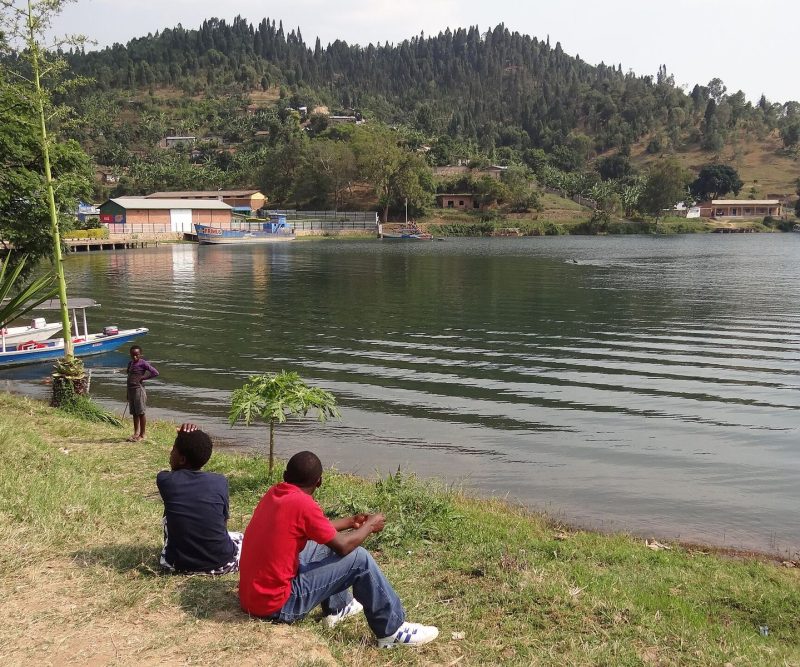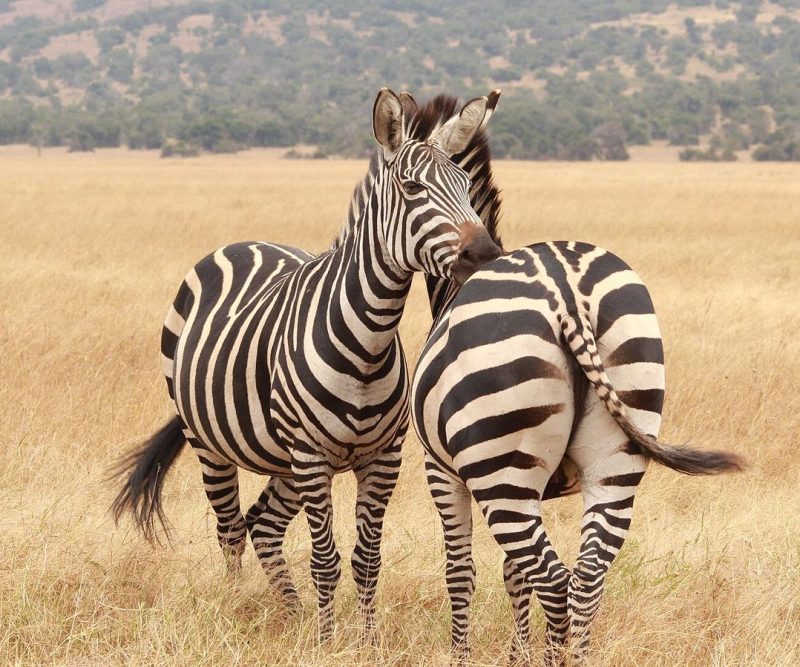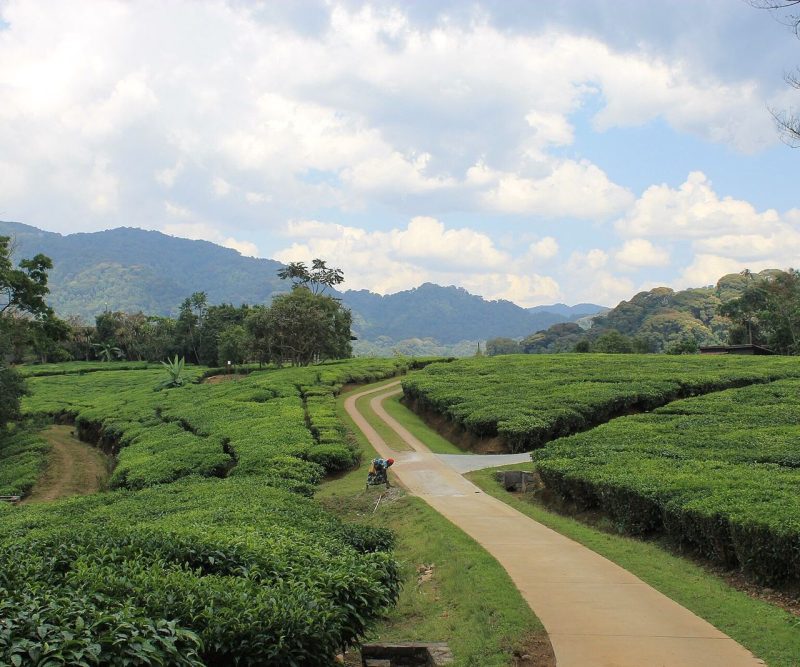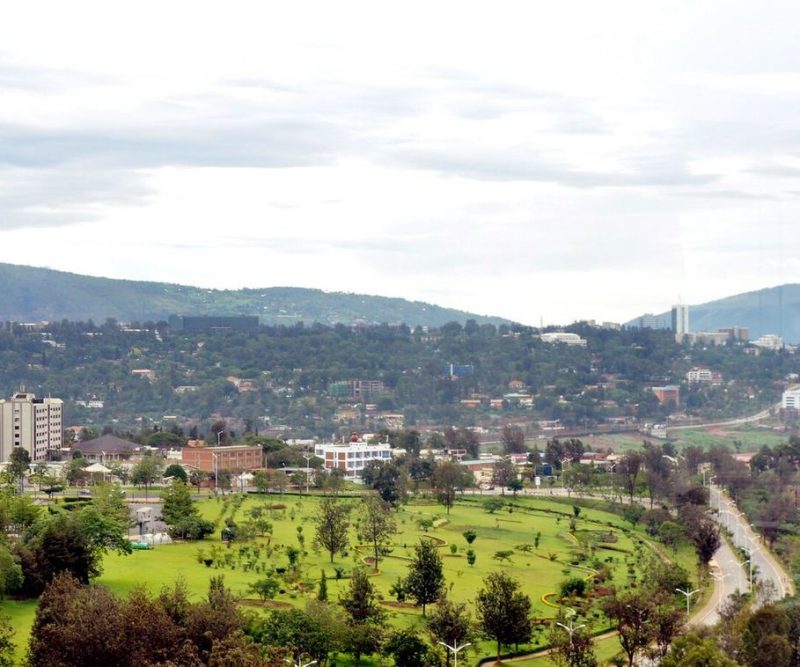
Responsible travel in Rwanda is easy, because the country takes care of its environment and communities seriously. Following a few local rules and customs helps protect the gorillas, supports local people and makes your trip more rewarding.
Responsible travel in Rwanda: local rules
The plastic bag ban
Single-use plastic bags are banned in Rwanda and may be taken from your luggage on arrival. Pack with reusable bags instead.
Umuganda
On the last Saturday morning of every month, Rwandans take part in community work and traffic is restricted. Plan to start driving after midday. Read Umuganda: what drivers need to know.
Respecting wildlife
- Keep at least 7 metres from gorillas and don’t trek if you are ill. Read the rules in gorilla trekking in Rwanda.
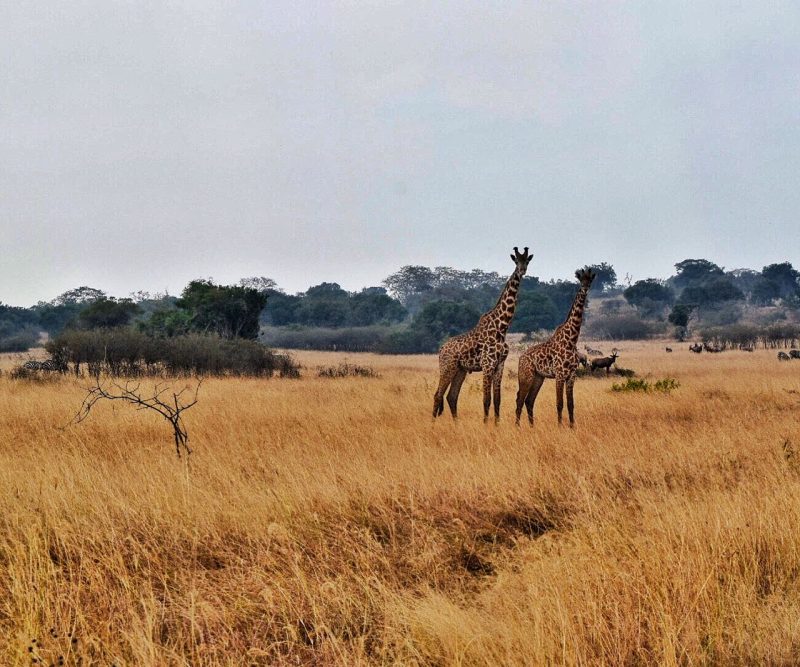
- Stay in your car on game drives, except at official viewpoints in Akagera.
- Never feed animals or leave litter in the parks.
- Keep to marked tracks and drive slowly in the parks.
Respecting people and culture
- Ask before photographing people, especially children.
- Dress modestly, particularly at memorials and in rural areas.
- Be respectful at genocide memorials: speak quietly and follow the rules on photography.
- Learn a few words of Kinyarwanda: Muraho (hello) and Murakoze (thank you) go a long way.
Supporting local communities
- Hire a porter on your gorilla trek; it supports families around the park.
- Buy crafts from cooperatives and local markets.
- Eat in local restaurants and stay in locally owned guesthouses.
- Tip guides, porters and drivers for good service.
Driving responsibly
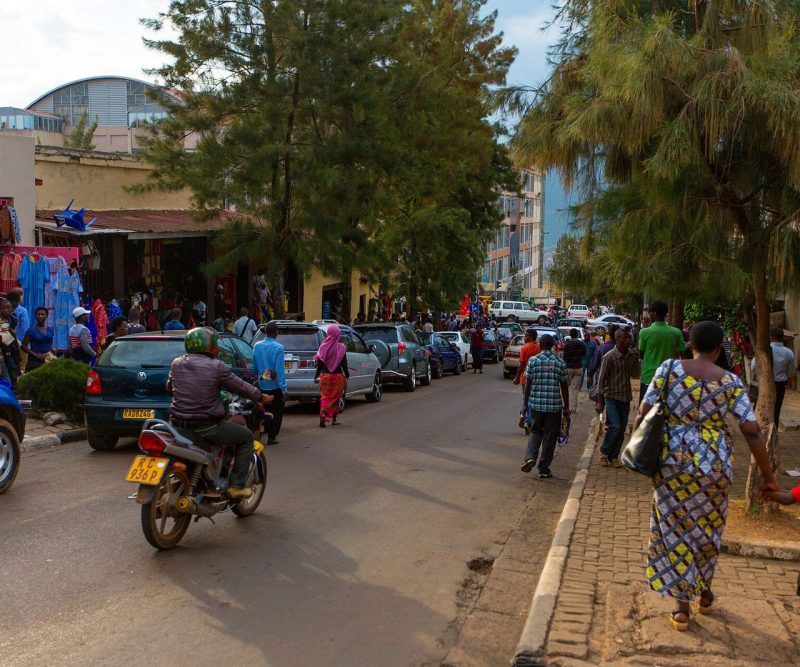
Drive slowly through villages, give way to pedestrians and cyclists, and never throw litter from the car. Read more about driving in Rwanda.
Responsible travel in Rwanda: gorillas and other primates
Mountain gorillas are vulnerable to human illnesses, from colds to more serious diseases. The rules on distance, group size and time are there to protect them. If you feel unwell on the morning of your trek, tell the park staff. Wear a mask if your guide asks you to.
Photography etiquette
- Always ask before photographing people, and respect a “no”.
- Don’t offer money or sweets to children for photos.
- Turn off your flash around animals.
- Don’t fly drones without the proper permits.
- Avoid photographing military, police and government buildings.
Tipping guide
Tips are a welcome and important part of income for many people working in tourism. There are no fixed rules, but tip guides, trackers and porters after treks, and drivers at the end of a trip. Ask your lodge or us for current norms.
Buying souvenirs responsibly
- Choose crafts from cooperatives, where makers receive a fair share.
- Look for traditional baskets, Imigongo art and woven textiles.
- Never buy products made from wildlife.
- Bargain politely in markets, but remember what a small difference means to the seller.
Reducing your footprint
- Carry a reusable water bottle and refill it at your hotel.
- Take your litter home from parks and picnic spots.
- Choose lodges that use local staff and suppliers.
- Combine destinations in a logical route to reduce driving.
Visiting memorials respectfully
Genocide memorials are places of burial and remembrance. Dress modestly, speak quietly, follow the rules on photography, and take time to reflect. During Kwibuka, from 7 April, be especially sensitive. Read about the Kigali Genocide Memorial.
Greetings and manners
Rwandans are polite and reserved. A handshake and a greeting are important before getting to business. Learning a few words of Kinyarwanda is always appreciated: Mwaramutse (good morning), Muraho (hello), Murakoze (thank you) and Amahoro (peace).
Responsible travel in Rwanda: supporting conservation
Every park fee and permit you pay helps protect Rwanda’s wildlife. Gorilla permits fund rangers and veterinary care, and a share of tourism revenue supports communities living around the parks. Choosing official activities and licensed guides makes sure your money goes where it should.
Choosing responsible operators
- Book permits through official channels or reputable companies.
- Choose lodges that employ local staff and buy local produce.
- Avoid any activity that involves touching or feeding wild animals.
- Ask how community projects are supported, and visit them if you can.
Water and energy
Rwanda’s lodges often rely on limited water and solar power, especially near the parks. Take shorter showers, switch off lights and chargers when you leave the room, and reuse towels.
Driving with care in rural areas
Many people in rural Rwanda walk along the roads, often with children or heavy loads. Slow down in villages, give plenty of room to pedestrians and cyclists, and avoid using your horn unnecessarily. A friendly wave goes a long way.
Learning before you go
Understanding Rwanda’s history helps you travel more thoughtfully. Visiting the Kigali Genocide Memorial early in your trip gives important context for everything else you’ll see.
Responsible travel in Rwanda: dress and behaviour
Rwandans dress smartly, especially in towns. Casual clothes are fine for travellers, but cover shoulders and knees at memorials, churches and in rural areas. Public displays of affection are uncommon, and loud behaviour is frowned upon.
Giving to children
Avoid handing out sweets, money or gifts to children on the roadside, as it encourages begging. If you’d like to help, support schools or community projects through your lodge or a reputable organisation.
Leave no trace
Take all rubbish with you, especially in the parks and on picnic stops. Rwanda’s clean landscapes are something everyone helps to protect.
Responsible travel in Rwanda: a quick checklist
- Pack without single-use plastic bags.
- Plan around Umuganda on the last Saturday of the month.
- Follow gorilla trekking rules, and don’t trek if you’re ill.
- Ask before photographing people.
- Dress modestly at memorials and in rural areas.
- Hire porters and tip guides.
- Buy crafts from cooperatives.
- Drive slowly through villages.
- Take all your litter with you.
Why it matters
Rwanda’s tourism is built on its natural beauty, its wildlife and its people. Travelling responsibly helps keep it that way, so that future visitors, and future generations of Rwandans, can enjoy the same experiences you do.
Responsible travel in Rwanda with children
Teach children to ask before taking photos, to keep their voices low around wildlife and at memorials, and to take their litter home. Rwanda is a wonderful place for children to learn about conservation and community.
Sharing your trip
When you share photos online, think about the people in them. Avoid posting images of children without permission, and describe places accurately and respectfully.
Frequently asked questions
Should I tip in Rwanda?
Tipping is appreciated for guides, porters, trackers and drivers. Ask your lodge or us for current norms.
Can I take photos everywhere?
Ask before photographing people, and avoid photographing government and security buildings.
Related reading
- Gorilla trekking in Rwanda: the rules on the trek and why they protect the gorillas.
- Umuganda: what drivers need to know: Rwanda’s monthly community work day and how to plan around it.
- Kigali Genocide Memorial: how to visit respectfully and what to expect.
- Kwita Izina: how gorilla tourism supports communities around the park.